Global instability fuels record drug use and organized crime
Article By: Old Harbour News
-

- Jun 28, 2025 09:39 PM | International
-
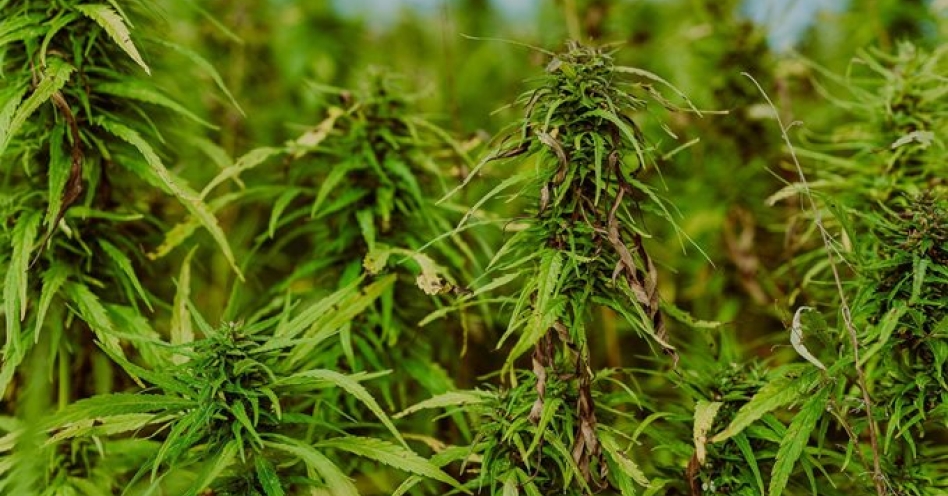
The report reveals that 316 million people — six percent of the global population aged 15-64 — used illicit drugs in 2023, up from 5.2 percent a decade earlier. Cannabis remains the most consumed substance (244 million users), followed by opioids (61 million), amphetamines (30.7 million), cocaine (25 million), and ecstasy (21 million). The UNODC warns that worsening conflicts, economic hardship, and mass displacement could push these numbers even higher.
Cocaine Market Smashes Records
The global cocaine trade has surged to unprecedented levels, with production jumping 34% in 2023 to 3,708 tonnes. Seizures hit a record 2,275 tonnes, a 68% increase since 2019, while the number of users climbed from 17 million in 2013 to 25 million in 2023.
Traffickers are expanding into new markets in Asia and Africa, while violent competition once confined to Latin America is now spreading to Western Europe, where Balkan crime groups are tightening their grip.
Synthetic Drugs on the Rise
Cheap production and low detection risks have fueled the expansion of synthetic drugs, particularly methamphetamine, amphetamines (including captagon), and fentanyl. Amphetamine-type stimulants (ATS) accounted for nearly half of all synthetic drug seizures in 2023.
The fall of Syria’s Assad regime disrupted captagon production, but recent seizures suggest stockpiles or new manufacturing sites are keeping the trade alive, primarily supplying the Arabian Peninsula.
Traffickers Rake in Billions as Crime Networks Evolve
The illicit drug trade generates hundreds of billions annually, with traffickers constantly innovating — boosting production, using chemical concealment, and leveraging technology to evade detection.
UNODC Executive Director Ghada Waly urged governments to "dismantle criminal organizations through cross-border cooperation, alternative livelihoods, and targeted judicial action." She emphasized investing in prevention, technology, and disrupting supply chains to curb the crisis.
Health and Environmental Toll Mounts
Drug use disorders caused nearly half a million deaths in 2021, with only one in 12 users receiving treatment. The report warns that shifting global priorities and funding cuts could worsen public health impacts.
Meanwhile, drug production and trafficking are harming Europe’s environment through deforestation, pollution, and toxic waste from clandestine labs — yet environmental damage remains overlooked in drug policies.
Call for Global Action
The report stresses that stronger multilateral cooperation, evidence-based health services, and targeted law enforcement strategies are needed to combat the growing threat. Without urgent action, instability and crime will continue to fuel the world’s escalating drug crisis.