Understanding Post-Traumatic Stress Disorder: Healing The Mind, Body and Spirit
Article By: Keisha Hill
-

- Nov 04, 2025 08:55 AM | Health
-
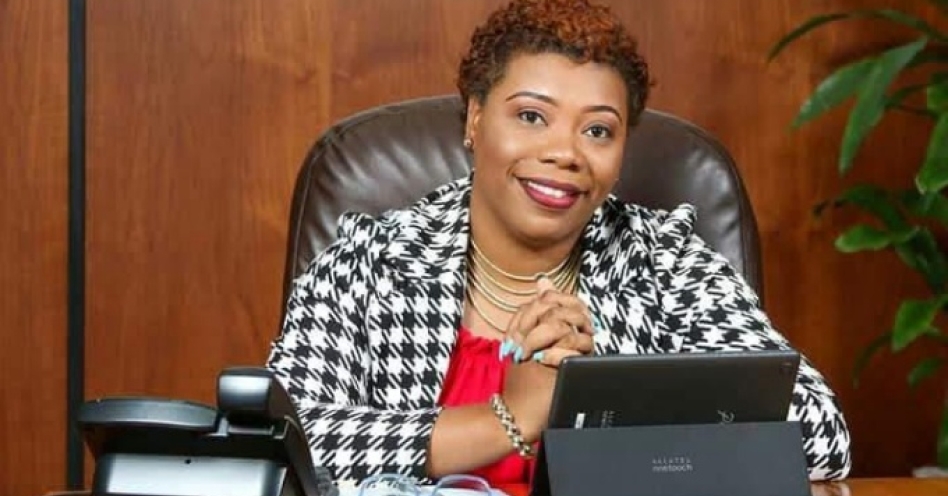
Keisha Hill
Post-traumatic stress disorder is a common mental health condition that can develop after a traumatic event. It involves symptoms like flashbacks, anxiety, negative thoughts and beliefs, hypervigilance and more.
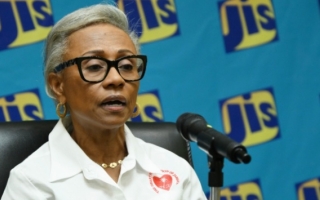
Dr Juwell Harley, nurse and educator said PTSD is a serious psychiatric condition that can develop after an individual experiences or witnesses a traumatic event such as violence, a natural disaster, a serious accident, or abuse.
While some people, she said, recover naturally after trauma, others continue to relive the experience in distressing ways that interfere with their daily lives.
According to the Diagnostic and Statistical Manual of Mental Disorders (DSM-5), PTSD is characterized by four main types of symptoms:
- Re-experiencing: Flashbacks, nightmares, and intrusive memories that bring the person back to the traumatic event.
- Avoidance: Staying away from people, places, or situations that trigger memories of the trauma.
- Negative mood and thoughts: Persistent feelings of guilt, detachment, fear, or hopelessness.
- Hyperarousal: Irritability, difficulty sleeping, and an exaggerated startle response.
For a diagnosis, these symptoms must last for more than a month and significantly affect daily functioning.
A Holistic Path to Healing
Caring for someone with PTSD requires a holistic approach, one that treats the mind, body, and spirit. Trauma impacts every aspect of a person’s health, so recovery involves more than just medication.
Holistic care may include:
- Psychological support: Counselling, trauma-focused therapy such as Cognitive Behavioural Therapy (CBT) or Eye Movement Desensitization and Reprocessing (EMDR), and peer support groups.
- Physical care: Regular exercise, proper nutrition, sufficient sleep, and relaxation techniques such as yoga or deep breathing.
- Emotional healing: Journaling, art therapy, mindfulness, and spiritual practices that foster inner peace.
- Social and environmental support: Building safe, supportive relationships and encouraging community engagement.
- Complementary therapies: Aromatherapy, massage, herbal teas, meditation, and acupuncture, used as supportive, not substitute, treatments.
Medical and Supportive Management
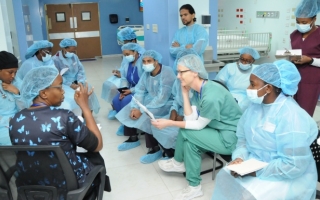
The medical management of PTSD often involves a multidisciplinary team of healthcare professionals working together to help the individual regain balance and function.
Key components include:
- Comprehensive assessment: A full physical and mental health evaluation to determine the best treatment plan.
- Psychotherapy: Evidence-based approaches such as CBT, EMDR, Prolonged Exposure Therapy, and Cognitive Processing Therapy (CPT).
-
Supportive care: Education for patients and families about PTSD, crisis intervention, and the development of coping strategies.
Importantly, the involvement of a Mental Health Coach provides ongoing support, empowerment, and recovery planning, bridging the gap between clinical treatment and daily life.
- Family and community participation: A strong support system plays a crucial role in long-term recovery.
Helping People Cope
Supporting someone with PTSD requires patience, compassion, and understanding. Helpful steps include:
- Listening with empathy and without judgment
- Encouraging open conversations when the person feels ready
- Promoting healthy routines such as balanced sleep, diet, and exercise
- Suggesting stress-relieving activities like music, journaling, or nature walks
- Encouraging social connections, including faith-based or peer support
- Avoiding comments that minimize or dismiss their experiences
When to Seek Help
Professional help should be sought when:
- Symptoms persist for more than a month after trauma
- There are thoughts of self-harm or suicide
- Daily functioning becomes difficult
- Substance use increases
- Nightmares or flashbacks severely disrupt sleep or concentration
Help is available through doctors, psychologists, psychiatrists, mental health coaches or counsellors, helplines, community mental health programs, and faith-based or peer support groups.
PTSD is a treatable condition. With early intervention, professional care, and supportive guidance especially through holistic healing and the encouragement of mental health coaches’ individuals can recover, rebuild resilience, and live fulfilling, empowered lives.
For More Information Contact: Keisha A. Hill JP, Media Practitioner/Communications Consultant: EM: keisha.hillconsultancy@gmail.com