Proposed Airbnb bill sparks debate among Jamaican hosts
Article By: Alexia King-Whyte
-

- Aug 07, 2025 07:46 AM | News, Business
-
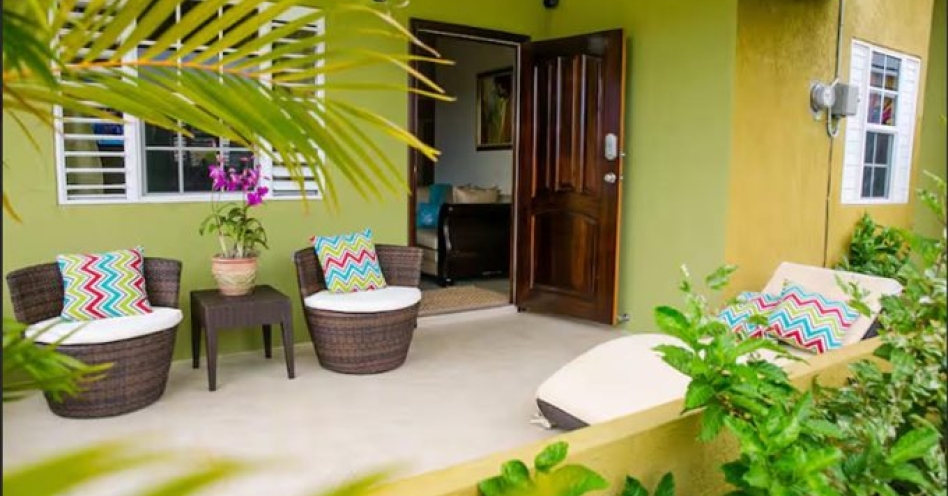
The proposed bill would require all short-term rental operators, defined as those offering stays of 30 days or less, to register with the Jamaica Tourist Board (JTB). Failure to do so could attract fines of up to $1 million for properties with 1–50 rooms, and $2 million for those with 51–100 rooms. In more serious cases, operators could even face imprisonment for up to 12 months.
The bill, which was recently debated in parliament, is currently suspended following backlash from Opposition Leader Mark Golding, who called the penalties “excessive” and warned they could “destroy the industry”.
The Pros of the Proposed Bill
Supporters of the legislation, including the tourism ministry, argue that it’s a necessary step to ensure safety, fairness and accountability in an industry that has grown rapidly but operates largely informally. Tourism Minister Edmund Bartlett revealed that over 500,000 visitors, nearly one-third of all stayover tourists, used Airbnb-type accommodations in 2022, bringing in over US $100 million to the local economy.
Advocates say regulating the sector could:
- Improve security and guest safety through inspections and accountability
- Create tax equity between traditional hotels and Airbnb operators
- Promote fair competition by ensuring all accommodation providers operate under similar rules
- Allow operators access to formal tourism benefits, including promotions and partnerships via the JTB.
Tony Bradshaw, an Airbnb operator in Portmore, St. Catherine, doesn’t oppose regulation but is calling for fairness. “I don’t have a problem licensing my business,” he tells Old Harbour News. “I’ll register with them, but they have to make sure I get proper support to stay in business after paying those fees. If they’re going to regulate us, then they need to help promote us too… just like they promote the big hotels. It can’t be just about collecting money from us.”
The Cons of the Proposed Bill
Many small Airbnb hosts, however, feel blindsided and overwhelmed by the penalties proposed. They argue that the financial burden of registration and compliance could force them out of business, especially when profit margins are already tight.
Concerns from Airbnb operators include:
- Excessive fines that punish rather than support small entrepreneurs
- Ongoing operating costs (utilities, staff, maintenance) that make it hard to afford additional government fees
- Fear that regulation may be a move to protect big hotel interests by driving out competition
- No consultation or support systems offered for small-scale hosts
Nicoleen Frank, an overseer for an Airbnb in Hayes Clarendon, believes the bill favors larger businesses. “A years my sister have her little Airbnb and she finally can get little benefit from the tourism sector now because one time, a only big hotel get all the foreigner them. Now them prefer to come to us because we cheaper. A must the big hotel them reporting us because them losing customers and we gaining,” she argued.
Kemar Kurt, who operates a unit in Kingston, was more defiant. “Them can’t intimidate me,” he said with a furious look on his face. “I’m already paying tax for years. There is no law that criminalizes the act of allowing another person to stay on your property in exchange for payment. Provided that there is no illegal activity, the building meets basic habitability standards, and the activity is not in breach of zoning laws.”
While some operators are adamant about their legal rights, others are simply trying to stay afloat. The financial strain of maintaining a short-term rental, especially in rural parishes, has left many wondering if formal registration is even sustainable.
Shadaye Wint, an Airbnb owner for over 10 years operating in Portland, explained that even though she receives multiple guess, she doesn’t make a lot of money to maintain a registered business. “I’m barely managing. Just not shutting down because this is how I live and I can’t work in my state,” she explained. “Not because them see people staying at Airbnb hard now-a-days it mean that we are making crazy money. Sometime the guess them leave the air conditioner on for the entire stay, even if them gone on the road, them don’t turn off the television at all and them don’t rest the fridge. Sometime I wonder how the light and water bill so high and then I remember the guess them bad habits. And don’t forget they need internet and that bill have to pay plus the cleaners are charging a fortune just to clean up the place.”
While Airbnb hosting may appear profitable from the outside, many owners are grappling with high operational costs and inconsistent earnings — a reality that clashes with the framework of the proposed bill, which seems to treat all operators as high-income earners.
For now, the future of the proposed legislation remains uncertain. As the debate continues, the voices of Jamaica’s short-term rental hosts grow louder, calling for a balance between regulation and survival in an already challenging economy.